Subscribe: Email | TuneIn | RSS | More
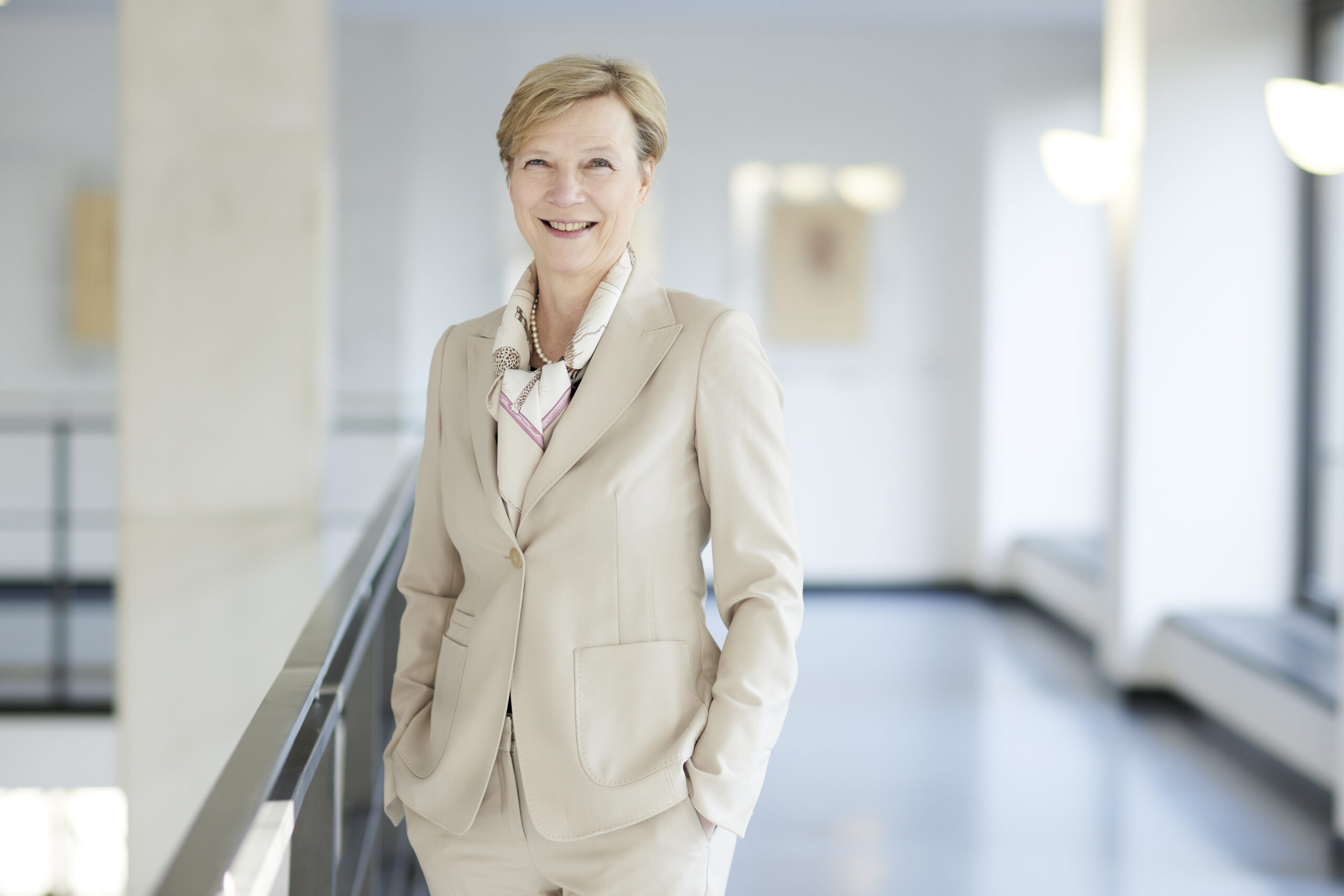
My co-host Ken Suzan and I are welcoming you to episode 171 of our podcast IP Fridays! Today’s interview guest is the president of the German Patent and Trademark Office Eva Schewior! But before we jump into this very interesting interview, I have news for you:
The US Supreme Court has taken up an important patent law case concerning so-called “skinny labels” for generic drugs. Specifically, the highest US court is reviewing a case in which Amarin accuses generic drug manufacturer Hikma of inciting doctors to use the cholesterol drug Vascepa in violation of patents by providing a limited package insert.
In two landmark decisions, the UPC Court of Appeal clarified the criteria for inventive step and essentially confirmed the EPO’s typical “problem-solution” approach (Amgen v Sanofi and Meril v Edwards). However, experts are not entirely sure whether the Court of Appeal’s decisions, particularly those relating to the determination of the closest prior art, deviate from EPO practice.
As a result of Brexit, mutual recognition of trademark use between the EU and the UK will cease to apply from January 1, 2026. Use of a trademark only in the UK will then no longer count as use of an EU trademark for the purpose of maintaining rights – and conversely, EU use will no longer count for British trademarks.
Bayer is attacking several mRNA vaccine manufacturers in the US (Pfizer, BioNTech, Moderna, and J&J separately). The core allegation: patent infringements relating to old (Monsanto) patents on mRNA stabilization; Bayer is seeking damages, not sales bans.
DISCO Pharmaceuticals from Cologne signs an exclusive license agreement with Amgen (potentially up to USD 618 million plus royalties) for novel cancer therapies targeting surface structures. Relevant from an IP perspective: license scope, milestones, data/know-how allocation.
And now let’s jump into the interview with Eva Schewior!
The German IP System in Transition: Key Insights from DPMA President Eva Schewior
In an in-depth conversation on the IP Fridays podcast, Eva Schewior, President of the German Patent and Trademark Office (DPMA), outlined how Germany’s IP system is responding to rising demand, technological change, and a fundamentally altered European patent landscape. The interview offers valuable insights for innovators, companies, and IP professionals navigating patent, trademark, and design protection in Europe.
Sustained Demand and Procedural Efficiency
Despite the introduction of the Unitary Patent system, national German IP rights continue to see strong and growing demand. According to Schewior, application numbers at the DPMA have been increasing for years, which she views as a strong vote of confidence in the quality and reliability of German IP rights. At the same time, this success creates pressure on examination capacity.
The average duration of patent proceedings at the DPMA is currently around three years and two months from filing to grant, provided applicants request examination early and avoid extensions. Internationally, this timeframe remains competitive. Nevertheless, shortening procedures remains a strategic priority. Search requests alone have risen by almost 50% over the past decade, yet the DPMA still delivers search reports on time in around 90% of cases.
To better reflect applicant needs, the DPMA distinguishes between two main user groups: applicants seeking a rapid grant, often as a basis for international filings, and applicants primarily interested in a fast, high-quality initial assessment through search or first examination. Future procedural adjustments are being considered to better serve both groups.
The Role of Artificial Intelligence
Artificial intelligence already plays a practical role at the DPMA, particularly in patent search, classification, and the translation of Asian patent literature. Schewior emphasized that the office is closely monitoring rapid developments in AI to assess where these tools can further improve efficiency.
However, she made clear that AI will remain a supporting technology. In public administration, and especially in IP examination, final decisions must always be taken and reviewed by humans. AI is seen as a way to relieve examiners of routine tasks so they can focus on substantive examination and quality.
Maintaining and Monitoring Examination Quality
Quality assurance is a central pillar of the DPMA’s work. Schewior reported consistently positive feedback from users, but stressed that maintaining quality is a continuous task. The office applies systematic double checks for grants and refusals and uses internal quality management tools to randomly review searches and first office actions during ongoing proceedings.
External feedback is equally important. The DPMA’s User Advisory Board, which includes patent attorneys, startups, and patent information centers, plays a key role in identifying issues and suggesting improvements. Several of its recommendations have already been implemented.
Trademark Filings and Bad-Faith Applications
The trademark side of the DPMA has experienced particularly strong growth. In 2025, the office received around 95,000 trademark applications, an increase of approximately 18% compared to the previous year. Much of this growth came from abroad, especially from China.
While new trademark types such as sound marks, multimedia marks, and holograms have so far seen only moderate uptake, word marks and figurative marks remain dominant. A growing challenge, however, is the rise in bad-faith trademark filings. The DPMA has responded by intensively training examiners to identify and handle such cases.
Procedural reforms following EU trademark law modernization have also shifted competencies. Applicants can now choose whether to bring revocation and invalidity actions before the courts or directly before the DPMA. While courts may act faster, proceedings before the DPMA involve significantly lower financial risk, as each party generally bears its own costs.
Accelerated Examination as a Practical Tool
Despite rising filing numbers, the DPMA aims to avoid significant delays in trademark proceedings. Organizational restructuring within the trademark department is intended to balance workloads across teams.
Schewior highlighted the option of accelerated trademark examination, available for a relatively modest additional fee. In practice, this can lead to registration within a matter of weeks, without affecting priority, since the filing date remains decisive.
New Protection for Geographical Indications
A major recent development is the extension of EU-wide protection for geographical indications to craft and industrial products. Since late 2025, the DPMA acts as the national authority for German applications in this area. The first application has already been filed, notably for a traditional German product.
Under the new system, applications undergo a national examination phase at the DPMA before being forwarded to the EUIPO for final decision. Products eligible for protection must originate from a specific region and derive their quality or reputation from that origin, with at least one production step taking place there. The EU estimates that around 40 German products may qualify.
Outreach, SMEs, and Education
Schewior underlined the DPMA’s statutory duty to inform the public about IP rights, with a particular focus on small and medium-sized enterprises. The office has significantly expanded its presence on platforms such as LinkedIn and YouTube, offering accessible and practical IP content.
Studies show that fewer than 10% of European SMEs use IP rights, despite evidence that IP-owning companies generate higher revenues. To address this gap, the DPMA is expanding outreach formats, strengthening cooperation with educational institutions, and publishing new empirical studies, including a forthcoming analysis of patenting behavior among innovative German startups conducted with WIPO.
Strategic Challenges Ahead
Looking forward, Schewior identified several key challenges: insufficient awareness of IP protection among SMEs and startups, a tendency in some sectors to rely solely on trade secrets, and the growing problem of product and trademark piracy linked to organized crime.
From an institutional perspective, the DPMA must remain attractive and competitive in a European system offering multiple routes to protection. This requires legally robust decisions, efficient procedures, qualified staff, and continuous investment in IT and training.
Careers at the DPMA
Finally, Schewior highlighted recruitment as a strategic priority. The DPMA recently hired around 50 new patent examiners and continues to seek experts in fields such as electrical engineering, e-mobility, IT, and aerospace, as well as IT specialists, lawyers, and staff in many other functions. She emphasized the DPMA’s role as Europe’s largest national patent office and a globally significant, stable, and family-friendly employer at the forefront of technological development.
German and European Patents as Complementary Options
In her closing remarks, Schewior addressed the post-UPC patent landscape. Rather than competing, German and European patent systems complement each other. For many SMEs, a German patent alone may be sufficient, particularly where Germany is the core market. At the same time, the possibility of holding both a European patent and a national German patent offers strategic resilience, as national protection can survive even if a European patent is revoked.
Her key message was clear: the range of options has never been broader, but making informed strategic choices is more important than ever.
If you would like, I can also adapt this article for a specialist legal audience, condense it for a magazine format, or rework it as a thought-leadership piece for LinkedIn or your website.
Rolf Claessen:
Today’s interview guest is Eva Schewior. If you don’t know her yet, she is the President of the German Patent and Trademark Office. Thank you very much for being here.
Eva Schewior:
I’m very happy that you’re having me today. Thank you, Mr. Claessen.
Rolf Claessen:
Shortening the length of procedures has been a stated goal since you took office. What is the current situation, and which measures are in place to achieve this goal?
Eva Schewior:
First of all, I’m very glad that German IP rights are in high demand. Even though applicants in Europe have multiple options today to obtain protection for their innovations, we have seen increasing application numbers for years at my office, even after the introduction of the Unitary Patent system. I see this as very positive feedback for our work.
It is clear, however, that the high number of applications leads to a constantly increasing workload. At the same time, we want to remain attractive for our applicants. This means we must offer not only high-quality IP rights but also reasonable durations of proceedings. Ensuring this remains a central and permanent objective of our strategy.
The average duration of proceedings from filing to grant is currently about three years and two months, provided that applicants file an examination request within the first four months after application and do not request extensions of time limits. In other cases, the average duration of proceedings is admittedly longer. With these three years and two months, we do not have to shy away from international comparison. Nonetheless, we strive to get better.
In the last few years, we were able to improve the number of concluded proceedings or to keep them at a high level. In some areas, we were even able to shorten durations of proceedings a bit, though not yet to the extent that we would have wished for. Our efforts are often overtaken by the increasing demand for our services.
Just to give you an example, in the last ten to fifteen years, search requests increased by nearly fifty percent. Despite this, we managed to deliver search reports in ninety percent of all cases in time, so that customers have enough time left to take a decision on a subsequent application.
I have to admit that we are not equally successful with the first official communication containing the first results of our examination. Here, our applicants need a bit more patience due to longer durations of proceedings. But I think I do not have to explain to your expert audience that longer processing times depend on various reasons, which are in no way solely to be found on our side as an examination office.
To further reduce the length of proceedings, we need targeted measures. To identify them, we have analyzed the needs of our applicants. It has been shown that there are two main interests in patent procedures. About three quarters of our applicants have a very strong interest in obtaining a patent. They mainly expect us to make fast decisions on their applications. Here we find applicants who want to have their invention protected within Germany but often also wish for subsequent protection outside Germany.
The remaining quarter consists of applicants that are solely interested in a fast and high-quality first assessment of the application by means of a search or a first official examination. We observe that these applicants use our services before they subsequently apply outside Germany. This latter group has little interest in continuing the procedure before my office here in Germany.
We are currently considering how we can act in the best interest of both groups. What I can certainly say is that we will continue to address this topic. And of course, in general, it can be said that if we want to shorten the duration of proceedings, we need motivated and highly skilled patent examiners.
Therefore, we are currently recruiting many young colleagues for our offices in Munich and Jena, and we want to make our procedures more efficient by using new technical options, thus taking workload from patent examiners and enabling them to concentrate on their core tasks and on speedy examination.
Rolf Claessen:
Thank you very much. I also feel that the German Patent and Trademark Office has become quite popular, especially with the start of the UPC. Some applicants seem to find that it is a very clever option to also file national patents in Germany.
Eva Schewior:
I think you’re perfectly right, and I think we will come to this point later.
Rolf Claessen:
In 2023, you mentioned artificial intelligence as an important tool for supporting patent examiners. What has happened regarding AI since then?
Eva Schewior:
Of course, we are already successfully using AI at our office. For instance, in the field of patent search, we use AI-based tools that make our examiners’ work easier. We also use AI quite successfully for classification and for the translation of Asian patent literature into English.
In the meantime, we have seen a rapid development of AI in the market. I think it is strategically imperative to get an overview and to make realistic assessments of what AI is capable of doing to make our procedures more efficient. Therefore, we are observing the market to find out where AI can perform tasks so that we enable examiners to concentrate on their core business.
There are many ideas right now in our office where artificial intelligence can help us tackle challenges, for instance demographic change, which certainly also affects our office, and maintaining our quality standards. We will strategically promote new tools in this field to cope with these challenges.
But this much is also clear: humans will always stay in our focus. Especially in public administration, I consider it a fundamental principle that in the end, decisions must be taken and reviewed by humans. AI may help us reach our goals in a more efficient way, but it can never replace patent or trademark examiners.
Rolf Claessen:
You have made quality improvements in patent examination a priority and have already implemented a number of measures. How would you describe the current situation?
Eva Schewior:
I often receive positive feedback from different sides that our users are very satisfied with the quality of our examination, and I’m very glad about that. But maintaining this quality standard is a permanent task, and we must not become careless here.
For years, for instance, we have established double checks for all grants and rejections. In addition, we have introduced a quality management tool that enables us, even during the examination process, to randomly check the quality of first office communications and searches. This helps us detect critical trends and take appropriate countermeasures at a very early stage.
What is also very important when it comes to patent quality is to actively ask our customers for their feedback. We do this in different ways. Just to give you an example, we have a User Advisory Board, which is a panel of external experts implemented a couple of years ago. Discussing questions of quality is regularly on the agenda of this board. We carefully listen to criticism, ideas, and suggestions, and we have already implemented some of them for the benefit of the office and our users.
Rolf Claessen:
The German Patent and Trademark Office, as the largest patent and trademark office in Europe, records very high numbers of trademark applications. What are you currently especially concerned with in the trademark area?
Eva Schewior:
In 2025, we saw around ninety-five thousand trademark applications. This is an increase of eighteen percent compared to the previous year, and I have to say that this took us by surprise. Especially applications from outside Germany, and above all from China, have risen significantly.
It is of course challenging to cope with such a sudden increase on an organizational level. Another challenge is dealing with trademark applications filed in bad faith, which we are currently seeing more and more of. We have thoroughly trained our trademark examiners on how to identify and handle such applications.
As regards the new types of trademarks, the rush has been moderate so far. Sound marks, multimedia marks, or holograms are apparently not yet common solutions for the majority of applicants. The key focus remains on word marks and combined word and figurative marks. Nevertheless, I believe that the new trademark types are a meaningful supplement and may play a greater role as digitization advances.
The most significant changes, however, concern procedures. Applicants can now choose whether to file revocation or invalidity actions with the courts or with our office. While courts may proceed somewhat faster, the financial risk is higher. Before the DPMA, each party generally bears its own costs, apart from exceptional cases.
Rolf Claessen:
How does this dynamic filing development impact the duration of trademark proceedings?
Eva Schewior:
This is indeed a major organizational challenge. For a long time, our trademark department managed to keep durations of proceedings very short, especially with regard to registration. Despite the recent increases in applications, especially in 2025, we hope to avoid a significant extension of processing times.
We have restructured the organization of the trademark department to distribute applications more equally among teams. Applicants should also be aware that it is possible to request accelerated examination for a relatively moderate fee of two hundred euros. This often leads to registration within a very short time. The filing date, of course, always determines priority.
Rolf Claessen:
Since December 2025, the EU grants protection not only for agricultural products but also for craft and industrial products through geographical indications. Has your office already received applications?
Eva Schewior:
Yes, we have received our first application, and interestingly it concerns garden gnomes. Protected geographical indications are an important topic because they help maintain traditional know-how in regions and secure local jobs.
The DPMA is the competent authority for Germany. Applications go through a national examination phase at our office before being forwarded to the EUIPO, which takes the final decision on EU-wide registration. Eligible products must originate from a specific region and derive their quality, reputation, or characteristics from that origin, with at least one production step taking place there.
Rolf Claessen:
The DPMA has expanded its outreach activities, including social media. What else is planned?
Eva Schewior:
Raising awareness of IP rights, especially among small and medium-sized enterprises, is part of our statutory duty. We currently use LinkedIn and YouTube to communicate IP topics in an understandable and engaging way. We also plan dedicated LinkedIn channels, for example for SMEs.
Studies show that fewer than ten percent of European SMEs use IP rights, even though those that do earn significantly more on average. In 2026, we will further expand outreach activities, cooperate more closely with universities and educational institutions, and publish new studies, including one on the patenting behavior of innovative German start-ups conducted together with WIPO.
Rolf Claessen:
Where do you see the biggest future challenges in IP?
Eva Schewior:
Germany depends on innovation, but awareness of IP protection is still insufficient, particularly among SMEs and start-ups. Some companies deliberately avoid IP rights and rely on trade secrets, which I consider risky. Another growing concern is the increase in product and trademark piracy, often linked to organized crime.
For our office, remaining attractive and competitive is crucial. Applicants have many options in Europe, so we need fast procedures, legally robust decisions, qualified staff, and modern IT systems.
Rolf Claessen:
The DPMA is currently recruiting. Which areas are you focusing on?
Eva Schewior:
Our focus is on patent examination and IT. We recently hired fifty new patent examiners and are particularly looking for experts in fields such as electrical engineering, e-mobility, IT, and aerospace. We are Europe’s largest national patent office and offer meaningful, secure jobs with fair compensation and strong development opportunities.
Rolf Claessen:
Is there a final message you would like to share with our listeners?
Eva Schewior:
The Unitary Patent system has created many new options. German and European patent systems do not compete; they complement each other. For many SMEs, a German patent may already be sufficient, especially where Germany is the core market. Holding both European and national patents can also be a strategic advantage.
My key message is: be aware of the options, stay informed, and choose your IP strategy deliberately.
Rolf Claessen:
Thank you very much for being on IP Fridays.
Eva Schewior:
Thank you for having me. It was a pleasure.